KOTA KINABALU: Parti Solidariti Tanah Airku (STAR) has called on the Federal Government to provide detailed information on the implementation of rural road allocations for Sabah, following a recent statement by the Prime Minister’s Senior Political Adviser, Tengku Zafrul Aziz, that Sabah and Sarawak had not been sidelined in federal rural road funding.
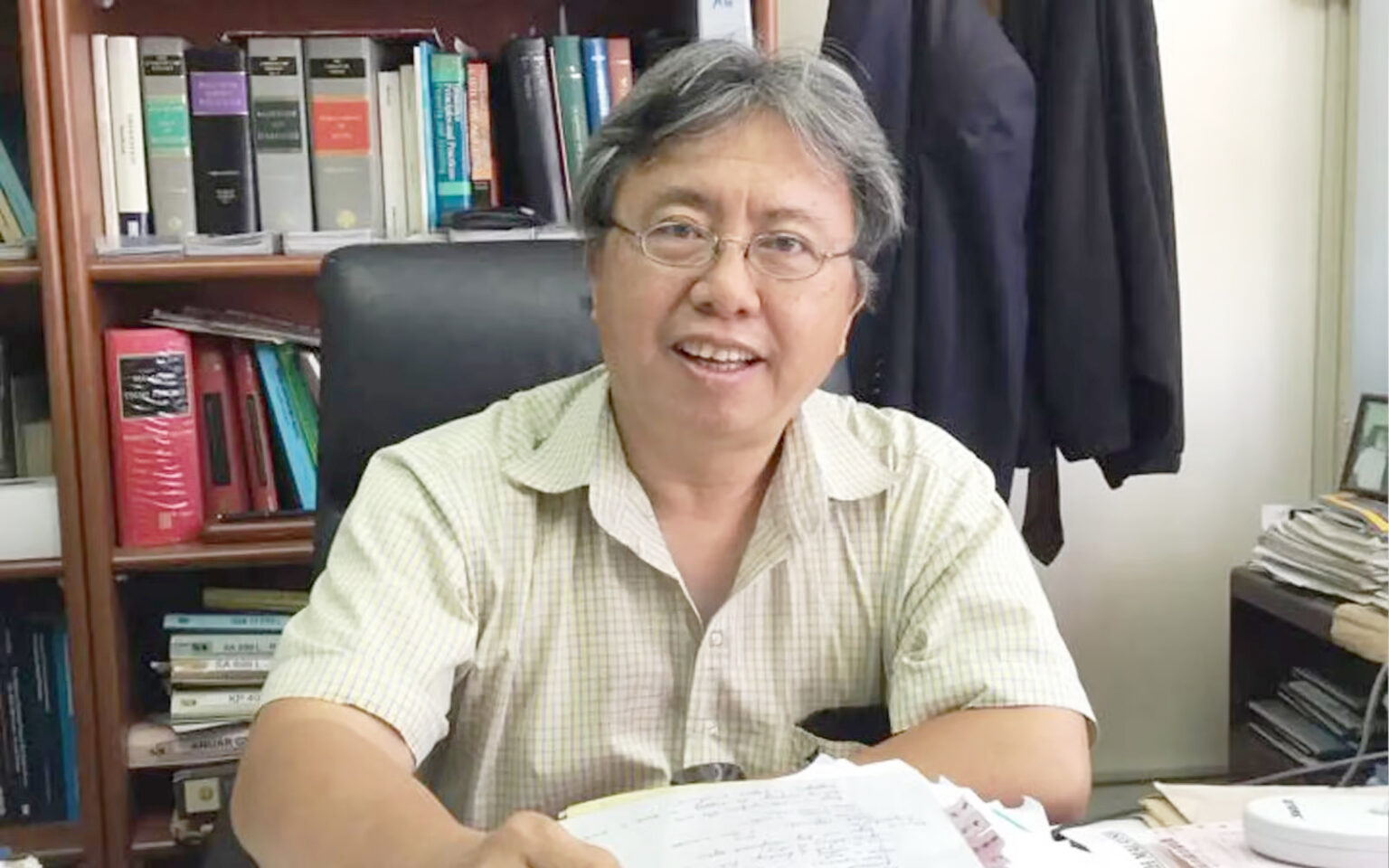
STAR Information Chief Mohd Anuar Ghani said the increase in Sabah’s allocation from RM3.7 billion for 2018–2022 to RM11 billion for 2023–2027 appeared encouraging, but raised important questions for Sabahans who had waited decades for adequate rural infrastructure.
“People are not merely interested in how much money has been announced or allocated. They want to know where it has gone, which projects have been implemented, how much has actually been spent and, most importantly, what tangible improvements have reached their communities,” he said.
Anuar called on Tengku Zafrul to provide specific information, including a comprehensive list of rural road projects approved for Sabah under the 2023–2027 allocations, the amount spent to date and the projects’ physical progress.
He said this information was necessary to assure the public that delays affecting rural road projects would not be repeated.
Anuar also questioned the explanation that new rural road projects had been deferred because expenditure had exceeded the original parliamentary allocations, leading to mounting contractual commitments and outstanding payments to contractors.
“Why were projects and contractual commitments allowed to exceed their approved allocations in the first place? Was this due to poor financial planning, inaccurate cost estimates, inadequate budget provisions or weaknesses in coordination between the implementing ministries and the Ministry of Finance?” he asked.
He also sought details on how many Sabah projects had been affected by the deferment and their revised implementation schedules.
“For many rural communities in Sabah, proper road access is not a luxury. It is a basic necessity that affects livelihoods, education, healthcare and economic opportunities,” he said.
“Some villages continue to face poor road conditions, particularly during the rainy season. What assurance can the Federal Government give these communities that their long-awaited road projects will not be postponed indefinitely?”
Anuar said STAR was not questioning the importance of federal development spending or the need for prudent financial management. Rather, the party was concerned about the use of aggregate figures to demonstrate development progress without sufficient information on implementation and results.
“Sabahans have heard numerous announcements of allocations over the years, yet many communities still lack adequate roads, reliable water supplies, consistent electricity and other basic infrastructure,” he said. “If billions have been allocated and spent, the Federal Government must show where and how the funding has improved people’s lives.”
He said Sabah’s development needs should be assessed in light of its geographical size, dispersed rural population, historical infrastructure deficit and longstanding development disparities with Peninsular Malaysia.
“Sabah is not asking for special favours. It is demanding fairness, transparency and the fulfilment of the Federal Government’s responsibilities to the people of this State,” he said, adding that these responsibilities formed part of the commitments made in 1963 when Sabah joined Malaysia.
STAR called on the Ministry of Finance and relevant federal implementing agencies to publish a comprehensive Sabah Rural Road Development Report detailing project approvals, allocations, actual expenditure, physical progress, outstanding payments, delays and completion targets.
Anuar said development accountability must extend beyond announcements and press statements. He claimed that some allocations remained unspent each year because of administrative weaknesses and were returned to the Federal Government.
“If the Federal Government is sincere about Sabah’s development and the wellbeing of its people, unutilised allocations should be placed in a trust account, as provided for under Sections 9 and 10(b)(i) of the Financial Procedure Act 1957 (Act 61),” he said.
He said the proposal had been supported and requested by Sabah’s Finance Minister, but had not been acted upon by the Federal Government.
“Why has this not been done? The Federal Government must clearly explain its position. Such an arrangement would avoid the need to reapply year after year for unutilised allocations. The authority exists. Why is it not being used?” he asked.
“Ultimately, the success of any development allocation is not measured by the billions announced in Kuala Lumpur, but by the roads completed, the villages connected and the lives of Sabahans improved.”-pr/BNN