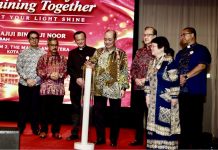
KOTA KINABALU: Danau Girang Field Centre (DGFC), in collaboration with the Sabah State Library’s Tanjung Aru Branch, officially launched **Wild Weekend at the Library 2026** last Saturday under the theme “One Shared Home.”
Jointly organised with the Sabah Wildlife Department (SWD), the annual event aims to spark children’s and families’ curiosity about science and nature. Following the opening ceremony, attendees heard from conservationists and specialists representing SWD, Seratu Aatai, Pangolin Aware and DGFC.
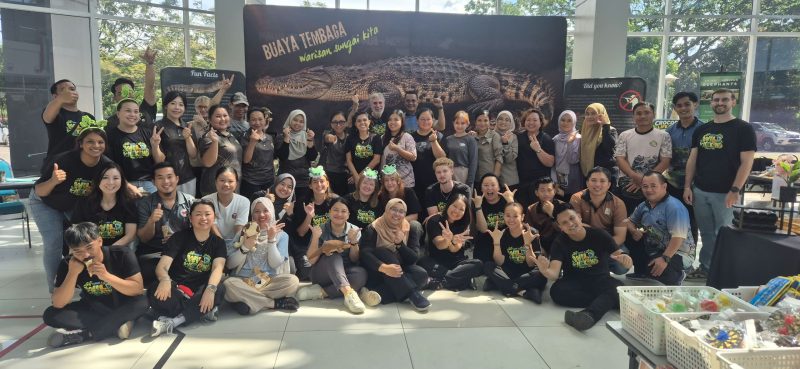
The community-focused event brought together wildlife researchers, government representatives, local vendors, parents and young learners. More than 500 schoolchildren and teachers from nearby schools attended, including SK Linayukan Tongod, SK Kaiduan Papar, SJKC Yuk Yin Keningau, SK Luagan Beaufort and SK Bundu Tuhan Ranau.
Through talks and activities, participants explored practical ways for people and Sabah’s iconic wildlife to coexist and safely share the region’s landscapes and waterways.
In his opening address, DGFC Director Professor Benoit Goossens emphasised that, although Sabah is renowned for species such as Bornean elephants, pangolins and crocodiles, conservation is rooted in everyday life.
“People and wildlife do not live in separate worlds here; we share landscapes, waterways and seasons,” Goossens said. “Coexistence does not mean pretending there are no tensions or risks. It means learning how wildlife behaves, understanding what keeps both people and animals safe, and finding practical ways to live alongside one another with respect.”
The programme also featured activities for visitors of all ages. Children aged seven to 12 took part in a drawing competition, creating illustrations inspired by Sabah’s shared environment. Families and other guests visited conservation booths, supported local vendors, collected stamps through interactive booth passports and joined lucky draws.
The event was co-sponsored by Datuk Juil Nuatim, ADUN for N.27 Limbahau, and Tuan Mohd Sharin Mujin.
Goossens said conservation is not limited to forests or research stations. “It happens in how we talk to our children about the natural world, how we treat animals we encounter, and how we care for the places we all call home,” he said.-pr/BNN