KOTA KINABALU: Technological advancement should not come at the expense of human values, the originality of creative works and cultural identity, instead, arts and technology must be developed in a balanced manner.
Chief Minister Datuk Seri Panglima Haji Hajiji Haji Noor said developments in artificial intelligence (AI), digital media, audiovisual technology and new communication platforms had opened up vast opportunities for artists and the creative industry.
He said the strength of art lay in its ability to touch human thoughts and emotions, while technology provided new avenues and methods to broaden the experience and presentation of creative works.
“We need a generation of creative practitioners who are not only proficient in using technology but also possess a strong foundation of knowledge, critical thinking skills, creativity and an awareness of their social and cultural responsibilities,” he said.
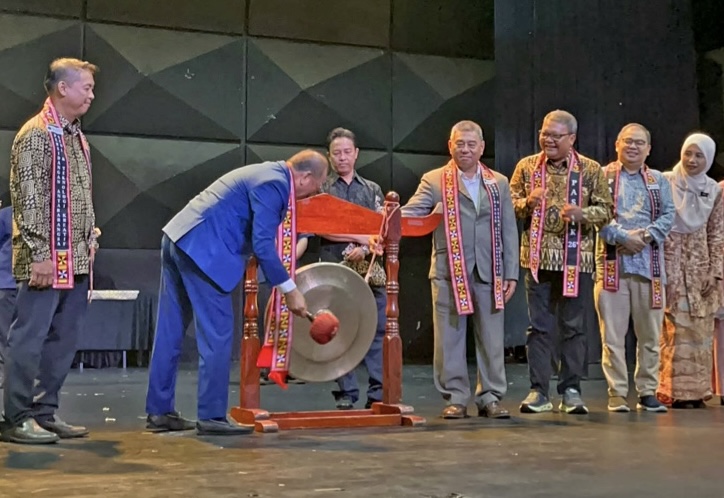
He said this at the opening of the International Conference on Arts and Creative Technology (PASTIK 2026) at the Recital Hall, Universiti Malaysia Sabah (UMS), here today.
His speech was delivered by Assistant Minister to the Chief Minister Datuk Isnin Aliasnih. Hajiji said Sabah was rich in ethnic diversity, languages, customs, traditions and cultural heritage, which formed the state’s strength and identity and must continue to be preserved, appreciated and passed down to future generations.
He said efforts to document, research, showcase and introduce Sabah’s artistic and cultural heritage to the international community must be intensified to ensure that this heritage continued to thrive through education, research, creative works and innovation.
He said institutions of higher learning such as UMS played an important role not only as centres for the dissemination of knowledge but also as catalysts for creative thinking, arts research and the empowerment of local culture.
According to him, the creative industry had immense potential as a new driver of economic growth and in fact, the State Government was committed to supporting human capital development that emphasised not only technological literacy but also high levels of creativity and innovation through the Sabah Maju Jaya (SMJ) Development Plan.
Hajiji hoped PASTIK 2026 would serve as a platform for discussing new ideas, sharing research findings and identifying opportunities for collaboration that could benefit the development of arts and the creative industry, particularly in Sabah.
He said international conferences such as PASTIK also highlighted the importance of collaboration among academic institutions, researchers and industry practitioners, as the exchange of knowledge and experience across borders could enrich perspectives and open up broader research opportunities.
He also welcomed the signing of a Memorandum of Understanding (MoU) between Universitas Sebelas Maret and UMS, which would open up opportunities to expand research networks, exchange expertise, develop academic programmes and jointly produce creative works.
He hoped the collaboration would go beyond merely signing a document and be translated into programmes and concrete actions that would deliver tangible benefits to both institutions and society.
Hajiji also emphasised the importance of providing opportunities for young people to participate actively in arts and creative technology as creators, artists, researchers and entrepreneurs in the creative industry.
He said young talents must be nurtured through education, training, industry exposure and opportunities to produce quality creative works, while developing a generation that was bold enough to explore new ideas without losing sight of its cultural roots and societal values.
He expressed hope that institutions of higher learning, government agencies, the private sector and the arts community would continue working together to develop a more dynamic, sustainable and competitive arts and creative industry ecosystem, thereby realising Sabah’s potential as one of the region’s centres for arts, culture and creativity.-pr/BNN